 Voltura Charger
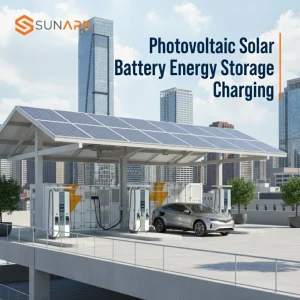
Pre-configured commercial-grade Solar PV, battery storage, and dynamic fast-charging infrastructures customized for Portugal's specific grid rules.

As Lisbon advances its ambitious climate targets toward carbon neutrality, commercial and industrial enterprises face a double-edged challenge: integrating rapid fleet electrification while managing the significant peaks in energy demand that threaten historical grid infrastructures. Old municipal grid sectors inside Lisbon struggle with immediate high-load requests, prompting a crucial shift toward integrated Photovoltaic (PV), Battery Energy Storage Systems (BESS), and EV Charging infrastructure.
By implementing local decentralized energy systems, companies can circumvent expensive and time-consuming grid upgrades regulated by Portuguese authorities (DGEG/E-Redes). This whitepaper outlines the structural convergence of global technology pipelines, Chinese manufacturing efficiencies, and customized deployments suited directly to the Portuguese metropolitan economy.
Lisbon's commercial core relies heavily on tourism, historic real estate, last-mile urban logistics, and expanding technology parks. The local grid, governed under tight distribution margins, imposes strict penalties on reactive power and peak load overruns. Adding multiple 120kW fast-chargers to a commercial site without a local battery buffer (like the 261kWh LFP systems highlighted above) regularly results in steep installation backlogs and prohibitive demand charges. Consequently, the adoption of all-in-one solar and energy storage cabinets has emerged as a premium solution for Lisbon businesses seeking rapid installation and continuous operational security.
Key targets and parameters shaping the integration of commercial EV infrastructure across the Iberian Peninsula.
Combining state-of-the-art battery chemistries with optimized industrial scale to lower global capital expenses.
How global scale optimizes procurement costs for operators in Southern Europe.
Modern commercial EV charging systems rely on highly sophisticated combinations of power electronics (PCS), battery management systems (BMS), and physical protection. Chinese manufacturing corridors—specifically within advanced tech hubs like Dongguan—provide unparalleled assembly speed, supply integration, and cost efficiencies. This concentration allows factories to deliver systems containing LFP chemistry, built-in active cooling, and intelligent multi-adapter support at a fraction of the cost of decentralized component sourcing.
By leveraging these optimized production lines, Lisbon contractors can import pre-certified, plug-and-play systems, reducing soft costs and local engineering hours by up to 40%. The result is a faster path to commercial operation, reduced grid interconnection risks, and maximized return on investment (ROI).
Introducing premium production operations feeding the European commercial charging network.
Dongguan Voltra Charger Co., Ltd. is a forward-thinking manufacturer specializing in smart EV charging solutions for residential, commercial, and fleet applications. With a strong focus on innovation and energy efficiency, the company integrates research and development, production, and global sales to deliver reliable and intelligent charging infrastructure.
Voltra Charger offers a comprehensive product portfolio, including home EV charging stations, commercial charging systems, fleet charging solutions, and advanced charging power management units. Designed to meet diverse customer needs, its solutions support both AC and DC charging, ensuring compatibility with a wide range of electric vehicles.
Driven by the growing demand for sustainable mobility, the company emphasizes intelligent power management technologies such as load balancing, real-time monitoring, and energy optimization. These features help users reduce operational costs while improving charging efficiency and grid stability.
Dongguan Voltra Charger Co., Ltd. adheres to strict international quality standards and continuously invests in technological upgrades to enhance product performance and safety. Its solutions are widely applied in residential communities, office buildings, public charging networks, and logistics fleets.
With a commitment to green energy and smart transportation, Voltra Charger aims to become a trusted global partner in the EV charging industry, empowering customers with efficient, safe, and future-ready charging solutions.
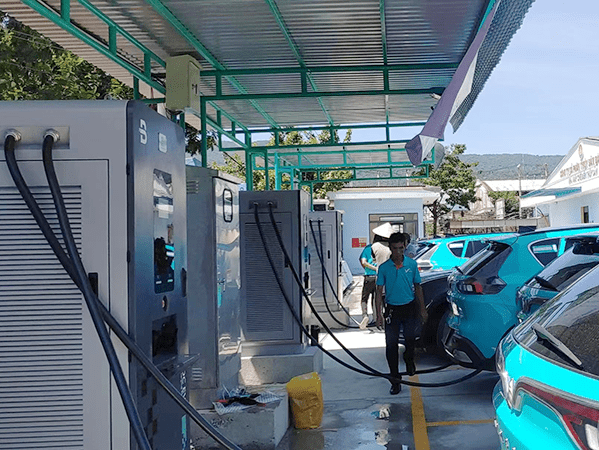
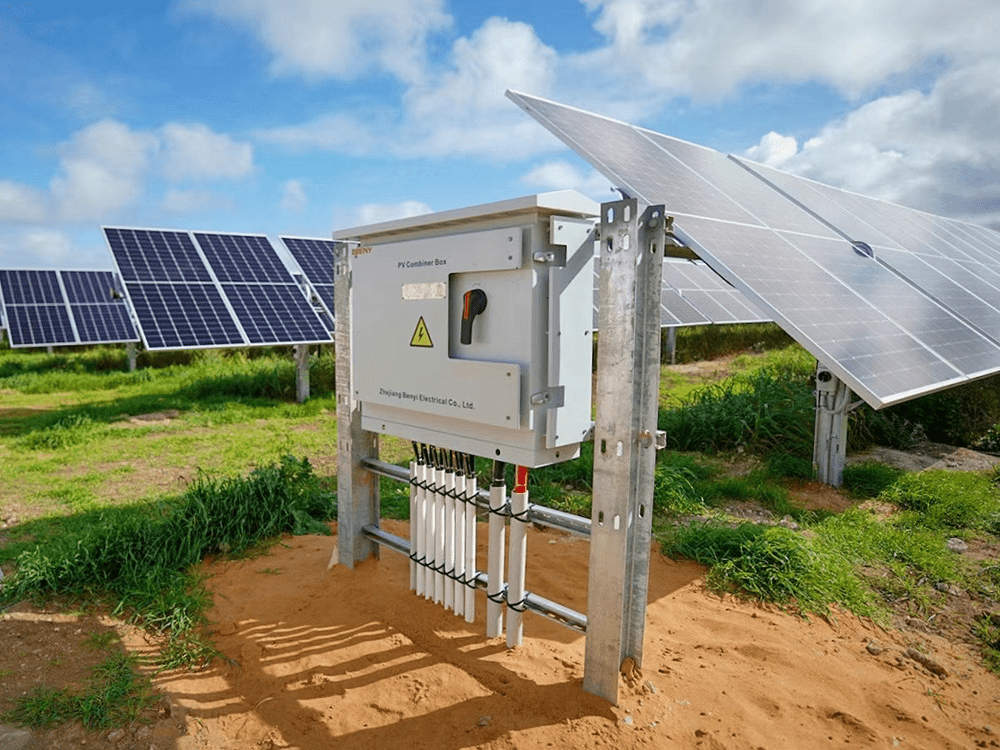
How businesses in Lisbon apply integrated microgrids to resolve real-world deployment challenges.
Historic hotels located near Alfama or Chiado face grid limitations that block installation of high-voltage chargers. Implementing a compact 215kWh LFP battery system allows hotels to trickle-charge the battery from low-voltage grid connections, delivering rapid 120kW DC charging power to guests' vehicles when needed.
With Lisbon’s Low Emission Zone limits, commercial delivery operations around Lisbon Airport (LIS) and Cabo Ruivo require electric delivery fleets. Deploying high-efficiency battery swapping cabinets (such as Tycorun cabinets) ensures couriers exchange motorcycle or delivery van batteries in under 60 seconds.
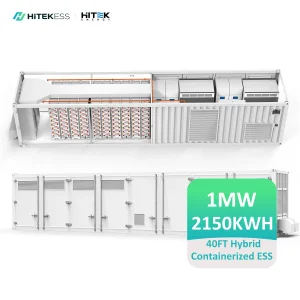
Manufacturing facilities in Lisbon’s peripheral industrial corridors leverage peak-shifting mechanics. Utilizing 2MW grid-tied BESS containers, companies store cheap nocturnal energy and power their operational shifts or EV fleets during peak day rates, yielding significant operational savings.
Key innovations defining the next generation of industrial energy storage and transport integration.
Real-time algorithms dynamically balance output between administrative facilities, operational manufacturing lines, and on-site EV stations. This ensures peak-limit thresholds are never crossed, preserving equipment safety and preventing grid penalties.
Two-way power conversion technologies transform EV fleets into mobile battery reserves. Commercial vehicles can feed power back to the building during peak tariffs, turning fleet storage into active revenue generation sources.
Advanced liquid cooling ensures absolute thermal stability under rapid charge-discharge profiles. This feature extends cell life up to 6,000 cycles, delivering reliable performance in high ambient temperatures.
Select your equipment configuration from our factory-verified commercial lineup.
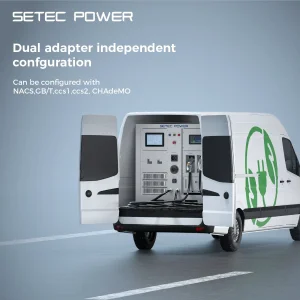
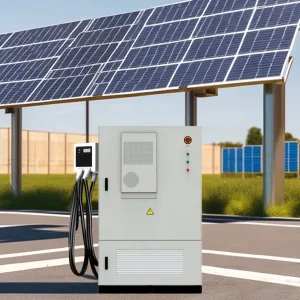
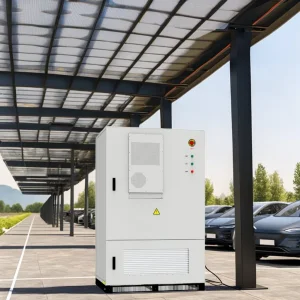
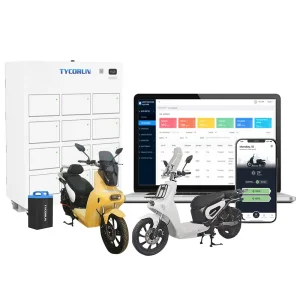
Preserving global link standards for auxiliary power networks and microgrid projects.
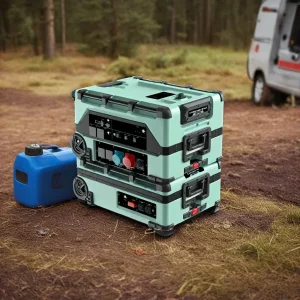
Key indicators and standards local buyers must verify to secure a reliable, certified supply chain.
All imported ESS configurations must comply with Portugal’s national grid requirements governed by E-Redes and international EN standards (specifically EN 62477-1 and local grid codes like VDE-AR-N 4105). Products without legitimate CE verification certificates risk confiscation at EU entry ports.
Sourcing commercial storage requires multi-tiered Battery Management Systems (BMS) with cell-level temperature monitoring. Advanced fire suppression systems (aerosol or Novec gas integration) must be built inside the enclosure to comply with EU safety guidelines.
Lithium energy storage units are classified under Class 9 hazardous materials. Factories must supply complete UN 38.3 testing reports and MSDS logs to secure ocean freight from Asian shipping terminals to Lisbon ports (Port of Sines/Port of Lisbon).
Critical insights for developers and business owners planning commercial infrastructure upgrades in Lisbon.
Lisbon's commercial zones frequently feature historical grid limitations. Direct utility grid connections for high-capacity EV charging stations can be prohibitively expensive or subject to extensive delays from local operators. Integrating a 215kWh or 261kWh Battery Energy Storage System (BESS) allows you to draw power at lower rates during non-peak hours, storing energy locally to deliver high-output EV fast charging during operational hours without overloading the main breaker.
Systems must possess full CE marking and conform to directives such as the Low Voltage Directive (LVD) and Electromagnetic Compatibility (EMC) Directive. Additionally, the integrated battery systems must carry UN 38.3 transport certification, while grid-tied inverters need to be certified for grid interconnection compliance (IEC 62109, VDE-AR-N 4105, and local EN norms as specified by DGEG).
LFP is the preferred choice for commercial, stationary storage installations. It offers significantly higher safety limits, resists thermal runaway, and maintains an extended lifespan of 6,000+ charge cycles at 80% Depth of Discharge (DoD) compared to the 2,000 cycles typical of NMC chemistry, maximizing long-term returns on commercial infrastructure.
Typical production runs require 4 to 6 weeks, depending on customization levels (such as color codes or local system configurations). Ocean freight transit from Shenzhen or Shanghai ports to the Port of Lisbon or Port of Sines takes roughly 30 to 35 days, bringing total delivery lead times to approximately 60 to 75 days.
Contact our engineering and procurement team for custom calculations, localized compliance consulting, and detailed factory-direct quotes for your next EV Charging infrastructure project.
Send Inquiry Now