Integrate state-of-the-art charging units and telemetry systems with our open-architecture management software platforms.

Unlocking complex infrastructure efficiency with cloud native open protocols, vehicle-to-grid communications, and hardware autonomy.
The global EV industry is transitioning rapidly to OCPP 2.0.1 and ISO 15118, enabling Plug & Charge and bidirectionality (V2G). Standardized software frameworks guarantee protection against legacy compatibility lock-ins.
Real-time dynamic power allocation protects localized building grids. Advanced software algorithms evaluate aggregate grid demand to dynamically throttle individual EV charging output without manual dispatching.
Modern platforms process edge computing data streams to predict component failures before they cause site downtime, minimizing operational overhead (OpEx) for CPOs and enterprise operators.
As electric vehicle adoption surges, the role of Charging Station Management Software (CSMS) has pivoted from a basic operational dashboard to a complex, multi-layered energy distribution engine. Leading global charging point operators (CPOs) no longer look at hardware and software as separate entities; instead, they require deep hardware-software synergy. Modern software systems must facilitate open communication networks through standardized REST APIs, integrating dynamically with third-party billing providers, fleet management systems, and regional energy markets.
By utilizing advanced telemetry mechanisms, operators can monitor current levels, voltage drops, ambient operating temperatures, and battery health statuses remotely. The incorporation of robust cloud architectures ensures high availability, enabling massive scalability across tens of thousands of geographically dispersed distribution nodes.
How procurement committees across EU, NA, and APAC evaluate next-generation charging platforms.
Enterprise procurement agents evaluate potential CSMS partners through a rigorous lens of technical compliance, grid interoperability, and data integrity. With stringent regulations, software must not only handle telemetry but also secure transaction metrics, user identification codes, and energy billing records.
Enterprise systems must maintain 99.9% system uptime. Key specifications include native integration with Building Management Systems (BMS) through Modbus TCP or BACnet, direct RESTful APIs for dispatching systems, and hardware-independent firmware optimization capabilities.
Our backend architectures utilize high-throughput message brokers (such as Kafka or RabbitMQ) coupled with robust database cluster deployments to ingestion millions of OCPP state transitions concurrently without latency degradation.
Pioneering end-to-end manufacturing workflows that merge physical charger fabrication with digital firmware testing.
Advanced optical inspection (AOI) lines and simulated load testing facilities ensure that power electronics and printed circuit boards (PCBs) are validated against strict electrical tolerances.
Every AC and DC fast-charging unit is provisioned during the assembly phase with targeted software profiles, pre-configuring security credentials and local network preferences.
By conducting continuous software validation on hardware test-rigs, we isolate and fix compatibility bottlenecks prior to containerized ocean shipping.
The structural advantages of China's Factory 4.0 system lie in the close physical proximity of component suppliers, testing labs, and assembly plants. Dongguan's manufacturing ecosystems provide unparalleled responsiveness to custom engineering requests. For global brand owners, this means custom sheet metal fabrication, circuit board design adjustments, and charging management firmware revisions can be prototyped, validated, and manufactured in a fraction of the time required by traditional supply setups.
Through standardized assembly pipelines, we guarantee high structural integrity, IP54/IP55 weatherproofing ratings, and efficient thermal dissipation systems. This unified hardware-software production loop ensures that your custom-built stations will interface smoothly with your chosen software platform from the moment they are installed.
Customized software solutions built to address specific geographical, commercial, and technical challenges.
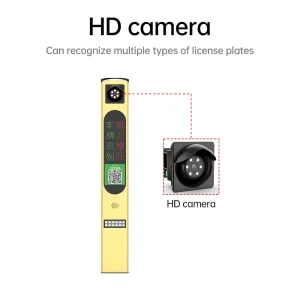
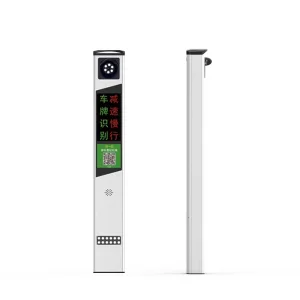
Integrates license plate recognition (LPR) cameras directly with payment systems. Features smart dynamic power control to prioritize critical healthcare vehicles and emergency zones, while providing simple visitor parking options.
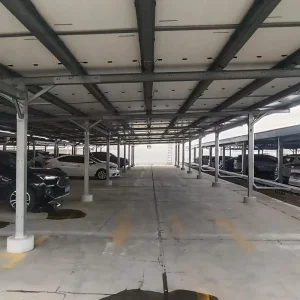
Combines multi-tenant access codes, RFID card authentication, and corporate billing structures. Integrates with existing rooftop solar carports and battery storage (BESS) systems to balance power loads during peak demand periods.
Designed for logistics providers requiring scheduled smart charging to align with route timetables. Limits output during peak utility price periods and dynamically routes power based on vehicle battery levels (SoC).
Dongguan Voltra Charger Co., Ltd. is a forward-thinking manufacturer specializing in smart EV charging solutions for residential, commercial, and fleet applications. With a strong focus on innovation and energy efficiency, the company integrates research and development, production, and global sales to deliver reliable and intelligent charging infrastructure.
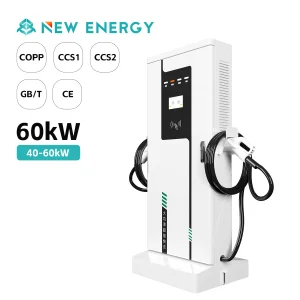
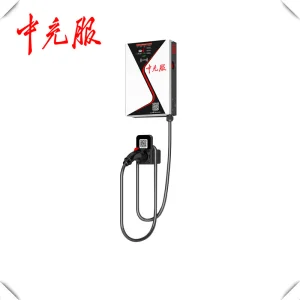
Voltra Charger offers a comprehensive product portfolio, including home EV charging stations, commercial charging systems, fleet charging solutions, and advanced charging power management units. Designed to meet diverse customer needs, its solutions support both AC and DC charging, ensuring compatibility with a wide range of electric vehicles.
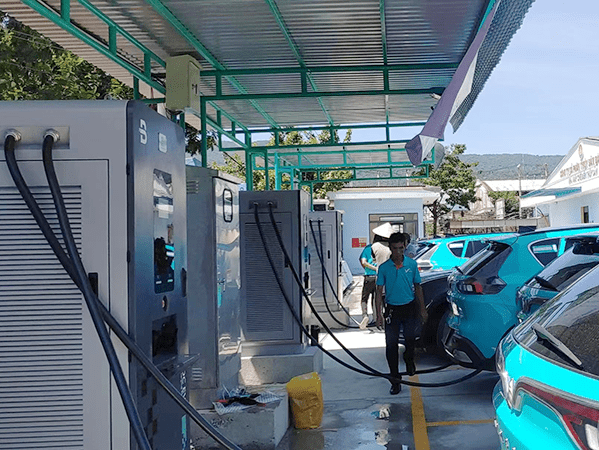
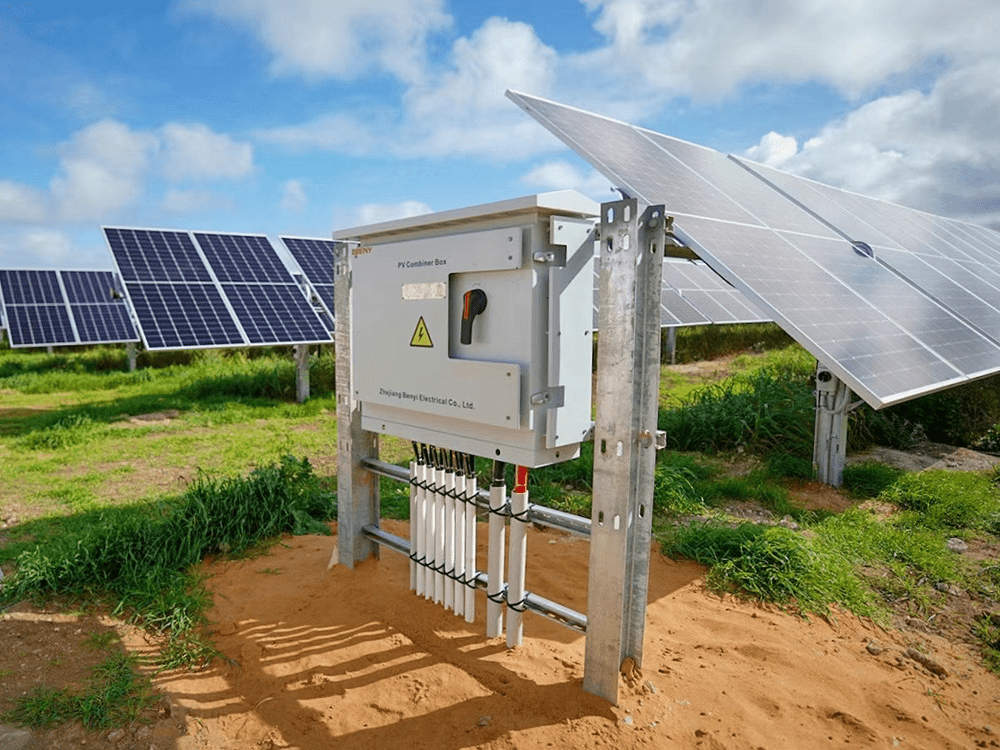
Driven by the growing demand for sustainable mobility, the company emphasizes intelligent power management technologies such as load balancing, real-time monitoring, and energy optimization. These features help users reduce operational costs while improving charging efficiency and grid stability.
Dongguan Voltra Charger Co., Ltd. adheres to strict international quality standards and continuously invests in technological upgrades to enhance product performance and safety. Its solutions are widely applied in residential communities, office buildings, public charging networks, and logistics fleets.
With a commitment to green energy and smart transportation, Voltra Charger aims to become a trusted global partner in the EV charging industry, empowering customers with efficient, safe, and future-ready charging solutions.
Technical and procurement answers designed for project managers, engineers, and infrastructure planners.
Yes. Our charging station management software is built on open standards and is fully OCPP compliant. It can communicate with any third-party charger hardware that supports OCPP 1.6J or OCPP 2.0.1, preventing hardware lock-in and allowing you to scale your infrastructure freely.
Our software monitors total site energy demand in real-time. By communicating directly with the site's smart meter, it adjusts each charger's output dynamically based on current usage. This prevents the building's electrical capacity from being exceeded and avoids high demand fees from the utility company.
We offer comprehensive white-labeling services. You can brand driver-facing mobile apps, operator dashboards, and automatic invoicing reports. Additionally, we provide custom API integrations, enabling you to link the software with your existing CRM, ERP, or fleet management platforms.
We prioritize data security by encrypting all communication between the charger and the cloud via TLS 1.2 or TLS 1.3. Our databases are compliant with regional regulations such as GDPR in Europe and CCPA in North America, allowing you to configure data storage locations according to local laws.
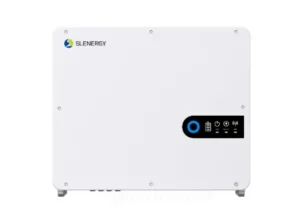
Absolutely. Our software is designed to integrate with solar carports, local battery energy storage systems (BESS), and hybrid inverters. This allows you to charge vehicles using clean, locally generated solar energy and reduce dependency on the electrical grid.
Browse our selection of specialized testing, energy storage, and vehicle charging systems.

 Voltura Charger