Why Use EV Charging Management Software?

Time:2026-10-13 Author:Sophia
0%

Electric vehicle charging is becoming an operational responsibility, not merely an electrical installation. A workplace may have twenty cars arriving between 8:00 and 9:00 a.m. If every vehicle charges immediately, the site can create expensive demand spikes. Small delays matter. Charging management software helps operators coordinate power, monitor equipment, and protect daily mobility.

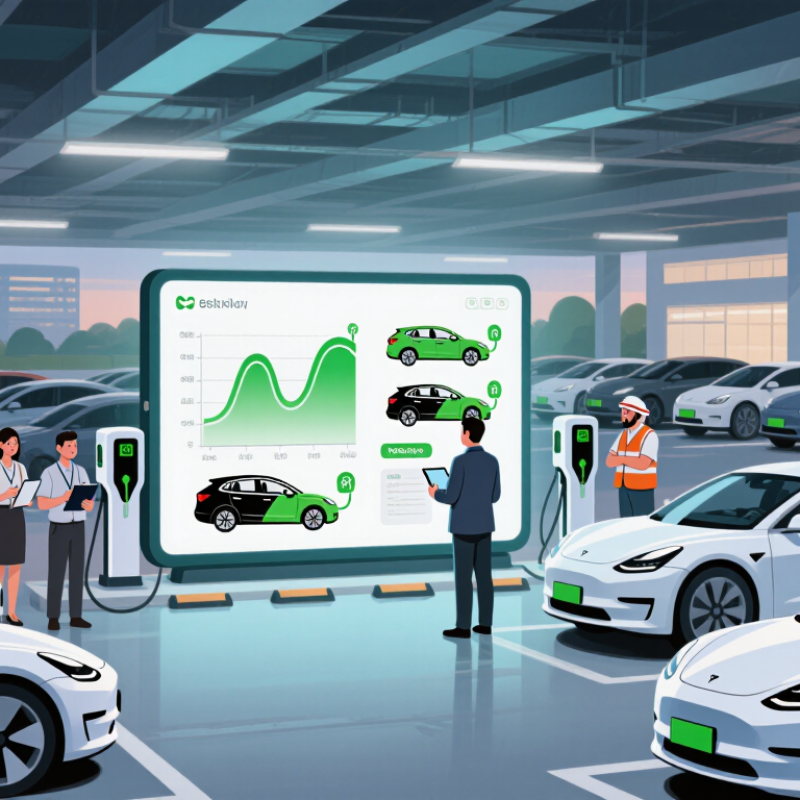
What software is used for EV charging management? In practice, businesses use platforms that connect chargers, energy meters, vehicles, payment tools, and fleet systems. These platforms can schedule charging during lower-cost periods, balance available power, and identify faults before drivers report them. A facilities manager might see one charger offline, three vehicles waiting, and a rising load on a single dashboard. That visibility supports faster decisions and clearer accountability.

Effective software also provides usage records, user permissions, alerts, and performance reports. Fleet operators can compare energy consumption across vehicles, while property managers can manage access for residents or visitors. However, software alone cannot solve poor electrical planning or unclear operating policies. That assumption deserves scrutiny. A platform may recommend an efficient schedule, yet a damaged cable, weak network connection, or inaccurate meter can still disrupt service. Reliable providers therefore support secure data handling, equipment compatibility, documented updates, and responsive technical assistance. This article explores why EV charging management software matters, how it works in real settings, and which practical limitations deserve attention before adoption. Evidence from charger performance, energy bills, and driver experience should guide the decision. Fancy dashboards are not enough.
Why Use EV Charging Management Software?

What Is EV Charging Management Software?

EV charging management software is the digital control layer behind a charging site. It connects chargers, drivers, energy meters, payment systems, and maintenance teams. Operators can start or stop sessions, set prices, manage access, and monitor faults from one interface. Many platforms also balance electrical loads, shifting charging away from expensive peak periods.

This matters as charging networks expand quickly. The International Energy Agency reported more than four million public charging points worldwide at the end of 2023. More than 1.3 million public points were added that year alone, increasing operational complexity. Software helps turn separate charging units into a coordinated system. It can display real-time availability, record energy use, and send alerts when a connector stops responding. Open communication standards can also support equipment from different manufacturers.

The software is not magic. Poor data still creates poor decisions. A site manager may see an available charger, while a driver finds its cable damaged. That gap needs human checks. The National Renewable Energy Laboratory has shown that managed charging can reduce peak-load pressure when charging schedules respond to grid conditions. In practice, this requires accurate meters, clear rules, cybersecurity controls, and tested maintenance procedures. Reports should also remain understandable. A complicated dashboard is not automatically a professional one. According to the IEA, fast-charging demand will grow with larger electric vehicle fleets, making reliable monitoring increasingly important.

How EV Charging Management Software Works

Why Use EV Charging Management Software?

How EV Charging Management Software Works

EV charging management software connects chargers, drivers, site operators, and energy systems in one dashboard. Each charger sends live data, including availability, charging speed, energy use, and fault alerts. The platform processes this information and displays practical actions for operators. A technician can see a failed connector before a driver reports it. A site manager can also review charging sessions, payments, and usage patterns. This visibility supports faster service and more reliable daily operations.

The software manages charging through connected controls. It can start or stop sessions, assign access permissions, and balance power between vehicles. During high-demand periods, it may reduce charging speed to avoid overloading the building. When demand falls, it can restore higher power automatically. Scheduling tools can also charge vehicles during lower-cost periods, where local energy plans allow it. However, software settings are not perfect by default. Poor data, weak network coverage, or incorrect capacity limits can produce bad decisions. Regular testing remains essential.

Tips: Check charger status every day, not only after complaints. Set clear power limits before enabling automated load balancing. Review energy reports monthly and compare them with physical meter readings. Keep user permissions limited and audit them regularly. A simple alert is often more useful than a crowded dashboard. The best setup is practical, measured, and willing to change.

Why Use EV Charging Management Software?

As public charging infrastructure expands, charging management software helps operators monitor stations, balance electricity loads, process sessions, manage access, and identify faults from a centralized platform.

Global public EV charging points, approximate millions

Source: International Energy Agency, Global EV Outlook 2024. Values are rounded estimates for global publicly available charging points.

Core Functions of EV Charging Management Software

Why Use EV Charging Management Software?

Core Functions of EV Charging Management Software

As electric vehicle adoption accelerates, charging networks need more than reliable hardware. The International Energy Agency reported nearly 14 million electric car sales worldwide in 2023. Charging management software helps operators control this growing demand from one interface.

Its core function is real-time station monitoring. Operators can see connector status, energy delivery, faults, and session history. Remote diagnostics can reduce unnecessary site visits. The platform can also manage user authentication, digital payments, pricing rules, and access permissions. Load management is equally important. It balances charging power across vehicles, helping sites avoid costly demand peaks. The software may connect with utility systems through application programming interfaces. However, automation is not magic. Poor network coverage or inaccurate meter data can still create operational gaps.

Tips: Set clear alert rules. Review failed sessions weekly. Test emergency controls. Keep customer support visible.

Data analysis turns charging records into practical decisions. Operators can compare utilization by location, time, and connector type. The U.S. National Renewable Energy Laboratory has shown that charging demand patterns vary significantly by location and travel behavior. These insights support better maintenance schedules and future capacity planning. Security controls also matter, including role-based access, encrypted communication, and audit logs. The European Union Agency for Cybersecurity identifies connected energy infrastructure as a growing cybersecurity concern. A polished dashboard can still hide weak assumptions. Human review remains necessary.

Benefits for Drivers, Businesses, and Charging Networks

Why Use EV Charging Management Software?

Benefits for Drivers, Businesses, and Charging Networks

For drivers, charging management software makes daily charging more predictable. A mobile interface can show live availability, estimated charging time, and current pricing. Drivers spend less time searching for an open connector. They can also receive alerts when charging finishes. Small details matter at a busy workplace or apartment garage. Still, availability data is not always perfect. A connector may appear free while another vehicle remains physically connected.

Businesses gain clearer control over charging costs and equipment use. Managers can set access rules, monitor energy consumption, and schedule charging during lower-demand periods. For example, a delivery fleet can charge vehicles overnight instead of creating a morning power spike. Maintenance teams can review error records before visiting a site. This reduces unnecessary inspections. However, software cannot repair damaged cables or poor electrical work. Human checks remain necessary.

Charging networks benefit from centralized monitoring and more consistent operations. Operators can compare station performance, identify repeated failures, and balance power across multiple locations. Remote updates may restore some services without sending a technician immediately. Usage data also supports better site planning, especially near offices, retail areas, and highways. The data needs careful interpretation. High usage may show strong demand, but it can also reveal slow charging or limited capacity. A reliable system combines software records with driver feedback and on-site experience.

Why Use EV Charging Management Software? - Benefits for Drivers, Businesses, and Charging Networks

Primary User Data Dimension Real-World Reference Data Benefit Delivered by Charging Management Software
Drivers Charging-speed visibility AC charging equipment commonly operates from approximately 3.7 kW to 22 kW, while DC fast-charging equipment commonly ranges from approximately 50 kW to 350 kW. The software displays available connector type, charging power, estimated charging time, and current session status, helping drivers select a charger that matches their vehicle and schedule.
Charger availability A charger can have several operational states, including available, occupied, preparing, charging, unavailable, and faulted. Live status information reduces unnecessary trips to occupied or faulted chargers and allows drivers to plan charging stops more reliably.
Cost transparency Charging prices may be calculated by energy consumed in kWh, connection time, session fee, or a combination of these components. A centralized system can show the applicable tariff before and during a session, making charging costs easier to understand and compare.
Payment and access control Common access methods include mobile applications, RFID cards, QR codes, vehicle identification, and ad-hoc payment. Multiple access options reduce friction for registered users, visitors, fleet drivers, and occasional public-charging customers.
Smart charging schedules Charging can be scheduled according to departure time, target state of charge, electricity price, or site power limits. Drivers can receive a charged vehicle when needed while the system delays or adjusts charging during constrained periods.
Businesses Site power management Ten chargers rated at 11 kW have a combined nameplate capacity of 110 kW. If the site limit is 60 kW, unmanaged simultaneous charging could exceed the limit by 50 kW. Dynamic load balancing distributes available power among vehicles and helps keep total charging demand within the electrical capacity of the site.
Peak-demand control In many commercial electricity tariffs, demand charges are based on the highest measured power demand during a billing interval. The exact rate depends on the local tariff. By staggering sessions and prioritizing vehicles by departure time, charging software can reduce avoidable demand peaks and improve tariff control.
Energy and session reporting Standard charging records can include start time, end time, meter readings, energy delivered in kWh, connector ID, user ID, and transaction status. Accurate reports support cost allocation, tenant billing, fleet accounting, reimbursement, and sustainability reporting.
Utilization measurement A common utilization formula is: Utilization = charging hours ÷ available connector hours. Businesses can identify underused locations, overloaded periods, and opportunities to improve charger availability without relying on manual logs.
Operational uptime A practical uptime calculation is: Uptime = operational time ÷ scheduled service time × 100%. Automated alerts, remote diagnostics, and maintenance records help teams detect faults faster and measure service performance consistently.
Return-on-investment tracking A basic payback calculation is: Payback period = total project cost ÷ annual net benefit. The software combines energy revenue, parking revenue, operating costs, electricity costs, and maintenance data to support investment decisions.
Charging Networks Protocol interoperability OCPP 1.6 and OCPP 2.0.1 are widely used communication protocols between charging stations and central management systems. Protocol-based management makes it easier to monitor, configure, update, and operate chargers from different equipment suppliers through one platform.
Vehicle-to-charger communication ISO 15118 defines communication capabilities between an electric vehicle and a charging station, including support for advanced identification and charging functions. Compatible software can support more automated charging experiences and prepare the network for features such as contract-based identification and managed charging.
Roaming data exchange Roaming interfaces can exchange information about locations, tariffs, sessions, tokens, and charge-detail records between separate charging networks. Drivers can access more charging locations, while network operators can expand reach without building every physical site themselves.
Remote operations Typical remote functions include connector status checks, transaction start and stop, charger reset, configuration changes, firmware management, and fault notification. Centralized operations reduce the need for on-site intervention and improve response times for geographically distributed charging assets.
Demand forecasting Forecasting can use historical sessions, energy delivered, time of day, day of week, seasonality, location type, and local events. Better forecasts support charger expansion planning, staffing, maintenance scheduling, electricity procurement, and site-level capacity planning.
Data security and user privacy Charging platforms process operational data, payment data, account information, and sometimes vehicle or location-related data. Role-based access, encrypted communication, audit logs, secure authentication, and data-retention controls help reduce unauthorized access and improve governance.
Reference values describe common technical ranges, standard calculations, and widely used charging-management practices. Actual charger power, tariffs, network capabilities, and regulatory requirements vary by vehicle, site, market, and equipment configuration.

Key Factors for Choosing and Implementing the Software

Why Use EV Charging Management Software?

Choosing EV charging management software requires more than comparing feature lists. The system should support your existing chargers, electrical infrastructure, payment process, and energy strategy. Compatibility matters because a low-cost platform can become expensive after installation. Ask whether it uses open communication standards and connects with your building or fleet systems. Confirm how easily staff can export charging data for audits and operational decisions.

Load management is essential at busy sites. The software should balance charging demand without exceeding the property’s electrical capacity. Test its scheduling rules during peak periods, overnight charging, and unexpected power interruptions. Cybersecurity also deserves careful review, including access controls, encryption, software updates, and backup procedures. Small details matter. A clear dashboard helps operators identify failed sessions, occupied spaces, and unusual energy consumption quickly.

Implementation should begin with a limited pilot, not a rushed full deployment. Include drivers, facilities staff, finance teams, and maintenance contractors in testing. Their feedback often reveals practical problems that technical demonstrations miss. I have seen teams overlook weak mobile coverage near parking areas, causing delayed session updates. That mistake is avoidable, but not always obvious. Measure uptime, successful charging sessions, support response time, and energy costs after launch. Training should use real scenarios, such as a blocked connector or an incorrect payment record. No rollout is perfect. Leave room to revise settings, improve instructions, and question whether every feature genuinely supports daily operations.

FAQS

What does EV charging management software do?

It connects chargers, drivers, site operators, and energy systems in one dashboard. Operators can view availability, charging speed, energy use, and fault alerts. That sounds simple. Daily review still matters.

How can the software improve charger reliability?

The system can show a failed connector before a driver reports it. Technicians can review error records and plan more focused visits. Remote updates may restore some services. They cannot fix damaged cables.

Can the software control charging sessions?

Yes. It can start or stop sessions and assign access permissions. It can also balance power between vehicles. During busy periods, charging speed may decrease. Power returns when demand falls.

How does load balancing protect a building?

Load balancing shares available power across connected vehicles. It can reduce charging speed when building demand rises. This may help avoid an electrical overload. Incorrect capacity limits create risks.

Can charging be scheduled for cheaper periods?

Scheduling tools can charge vehicles during lower-cost periods, where local energy plans allow it. For example, a fleet might charge overnight instead of creating a morning power spike. The savings depend on actual local rates. Check the energy plan.

What information can drivers see?

A mobile interface can show live availability, estimated charging time, and current pricing. Drivers may receive an alert when charging finishes. This reduces time spent searching for an open connector. Availability data can still be wrong.

How does the software help businesses control costs?

Managers can monitor energy consumption, set access rules, and review charging sessions. Monthly reports can reveal unusual usage or repeated equipment problems. Comparing reports with physical meter readings improves confidence. Software records are not perfect.

What should operators check regularly?

Operators should check charger status every day, not only after complaints. They should set clear power limits before enabling automated load balancing. User permissions need regular audits. A simple alert may beat a crowded dashboard.

Conclusion

EV charging management software is a digital system that helps monitor, control, and optimize electric vehicle charging stations. It connects chargers, vehicles, users, and operators through a centralized platform, allowing real-time tracking of charging status, energy usage, pricing, availability, and maintenance needs. How it works depends on communication between charging equipment and cloud-based management tools, which collect data and turn it into useful operational insights. What software is used for EV charging management? Generally, it includes station management platforms, mobile applications, payment tools, energy management systems, and reporting dashboards.

The core functions of this software include remote charger control, user authentication, reservation management, billing, load balancing, fault alerts, and performance reporting. Drivers benefit from easier station access, clearer pricing, and more reliable charging experiences. Businesses can reduce operating costs, improve energy efficiency, and manage multiple locations from one interface, while charging networks gain better scalability and service visibility. When choosing and implementing a solution, organizations should consider compatibility, cybersecurity, user experience, data integration, scalability, technical support, and long-term maintenance requirements.

Sophia

Sophia

Sophia is a dedicated marketing professional with an exceptional depth of knowledge about her company's products and services. With a keen understanding of market trends and customer needs, she crafts insightful blog posts that not only inform but also engage readers, enriching the company’s online......