As electric vehicles (EVs) become more popular, fast charging technology is on the rise. Many drivers enjoy the convenience of charging their EVs quickly, saving precious time. However, an important question arises: "Why is fast charging bad for some EV batteries?" The implications of this question are significant for those who want to extend the lifespan of their vehicles.
Fast charging uses high power to replenish battery energy rapidly. While this method is efficient, it can generate excessive heat. This heat can damage battery cells, leading to accelerated wear. Long-term exposure to high charging rates stresses the internal structure of the battery. Over time, this may lead to reduced capacity and shorter lifespan.
Moreover, not all EV batteries react the same way to fast charging. Individual battery chemistry plays a crucial role. Manufacturers often have different recommendations based on their specific technologies. Choosing the right charging method requires understanding these factors. Drivers need to balance speed and battery health. It’s a vital consideration as EV technology evolves. Thus, understanding “Why is fast charging bad for some EV batteries” is crucial for informed usage and optimal care.
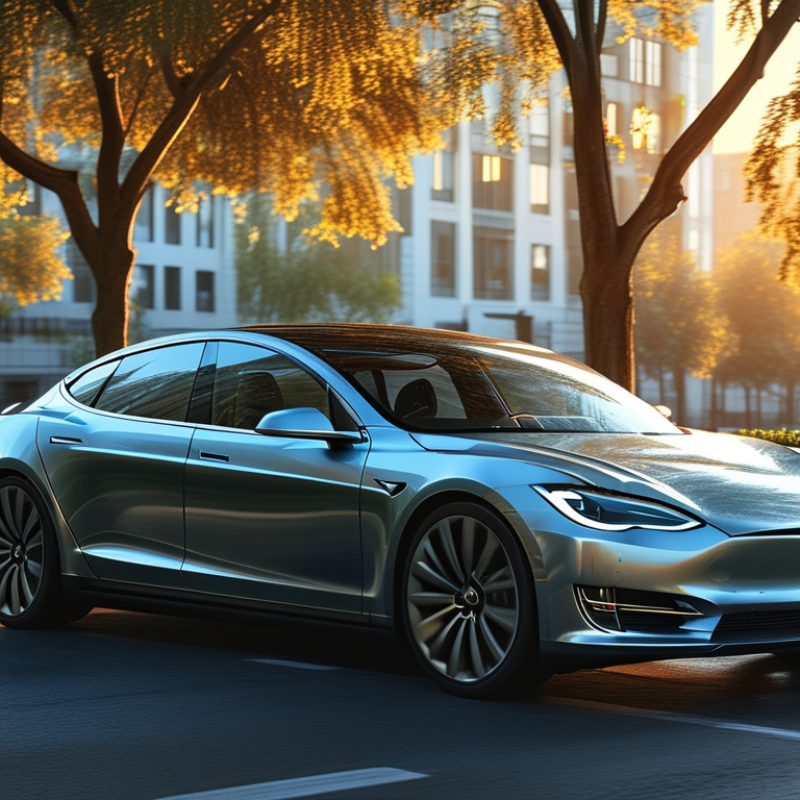
Understanding Fast Charging Technology in EVs
Fast charging technology plays a crucial role in electric vehicles (EVs). It allows drivers to recharge their batteries quickly, which enhances convenience and usability. However, this rapid charging can lead to detrimental effects on battery health over time.
When fast charging occurs, high currents flow into the battery, generating excess heat. This heat can accelerate chemical reactions within the battery cells. Such reactions may degrade the materials, leading to reduced capacity. Many users may not realize that consistent exposure to high temperatures can harm battery longevity.
The lifespan of an EV battery typically diminishes with frequent fast charging. In some cases, users might notice a drop in performance after only a few months. It's essential for EV owners to understand the trade-offs involved. While fast charging is convenient for short trips, regular use could result in costly battery replacements sooner than expected. Balancing charging habits with battery care is critical for long-term performance.
The Chemistry of EV Batteries and Its Impact on Charging
When exploring the chemistry of electric vehicle (EV) batteries, it’s essential to understand how charging speeds can affect battery life. Fast charging generates significant heat. This heat can lead to thermal stress, causing permanent damage to the battery's internal structure. High voltages during rapid charging also accelerate chemical reactions within the battery, decreasing capacity over time.
Consider lithium-ion batteries, primarily used for EVs. These batteries consist of layers of electrodes that facilitate energy transfer. Fast charging can disturb the uniform flow of lithium ions. This disturbance may lead to the formation of lithium plating, which can reduce the battery's efficiency. Moreover, frequent fast charging cycles can increase the risk of electrolyte degradation and other performance issues.
**Tips:**
To prolong your EV battery’s lifespan, charge at a moderate speed whenever possible. This approach allows for smoother thermal management. Additionally, keep your battery's charge between 20% and 80% during regular use; this range is ideal for maintaining overall health. Finally, always monitor battery temperatures during charging; excessive heat can lead to long-term damage. Balancing charging habits will enhance performance and reliability.
Impact of Fast Charging on EV Battery Lifespan
As seen in the chart, standard AC charging can extend the estimated lifespan of EV batteries to around 10 years, while fast DC charging may reduce lifespan to approximately 6 years. This highlights the trade-offs involved with faster charging technologies.
Effects of Fast Charging on Battery Lifespan
Fast charging technologies have transformed the way we use electric vehicles (EVs), allowing for quicker refueling. However, they can significantly impact battery lifespan. When batteries charge rapidly, they generate heat. Elevated temperatures can accelerate chemical reactions within the battery, causing faster degradation over time.
Charging a battery too quickly can lead to lithium plating. This is when lithium ions deposit on the anode surface rather than intercalating into the material. This takes away from the battery's capacity. As a result, a battery's overall efficiency and range decrease. Frequent use of fast charging can lead to a gradual reduction in charging cycles. Users might notice that their battery performance diminishes faster than expected.
Moreover, not all EV batteries are created equal. Some designs are more tolerant to fast charging, while others suffer more. It's crucial for users to balance convenience and longevity. Regularly relying on fast charging without considering the consequences may lead to regret down the line. Understanding these dynamics is essential for making informed choices about charging practices.
Thermal Management Challenges During Fast Charging
Fast charging technology has revolutionized electric vehicles, but it brings thermal management challenges. When an EV battery charges quickly, heat generation increases significantly. This heat can damage battery cells. If temperatures rise too high, it can lead to battery degradation over time. Cooling systems must efficiently dissipate this heat.
Effective thermal management is key during fast charging. Engineers focus on developing advanced cooling technologies. Liquid cooling systems can lower temperatures effectively. They enable faster charging while protecting battery life. However, these systems add complexity and weight to the vehicle.
Not all EVs handle fast charging equally. Some experience overheating more quickly than others. This inconsistency raises concerns about battery longevity. Thus, further research and development are vital. It is essential to balance fast charging convenience with battery health. Understanding thermal dynamics is the first step toward improving long-term battery performance.
Identifying the Ideal Charging Practices for EV Batteries
Proper charging practices are crucial for the longevity of electric vehicle (EV) batteries. Fast charging can create heat, which is detrimental to battery health. Over time, this heat can degrade the battery’s capacity and overall performance. Studies show that rapid charging can increase the risk of lithium plating on the anode. This can lead to reduced range and shorter battery life.
To promote battery longevity, slow and steady charging is often recommended. Charging at home overnight is ideal. It allows the battery to charge at a cooler temperature and optimally spread out the charging cycle. Additionally, keeping the battery's state of charge between 20% and 80% is beneficial. This practice avoids the stress of full discharges and overcharging.
It's important, however, to recognize the demands of everyday life. Not everyone has the luxury of charging slowly. Sometimes, fast charging is a necessity. Balancing convenience with battery care is a real challenge for many EV users. A thoughtful approach to charging can greatly benefit battery health, but it requires consideration of individual circumstances and usage patterns.
Conclusion
Fast charging technology has revolutionized electric vehicle (EV) usage, significantly reducing the time required to recharge batteries. However, the question arises: "Why is fast charging bad for some EV batteries?" This issue largely stems from the chemistry of EV batteries, which can be adversely affected by the rapid influx of energy. High charging rates can lead to increased temperatures and stress on the battery's material structure, ultimately reducing its lifespan.
Moreover, thermal management becomes a critical challenge during fast charging sessions. If not properly managed, overheating can occur, causing permanent damage or degradation to battery cells. Therefore, while fast charging is convenient, it is essential to adopt ideal charging practices—such as regular use of slow charging when possible—to ensure the longevity and effectiveness of EV batteries.

 Voltura Charger